
Emergency Dentist in Jamshedpur: What’s Actually Different from a Regular Dentist?
When you have a severe toothache at 10 PM on a Sunday, you do not need a lecture on dental health. You need fast, effective treatment that stops the pain. But what exactly can an emergency dentist do that a regular dentist cannot? And how does emergency dental care work differently?
 May 14, 2026
The Simple Difference
An emergency dentist is not a special type of dentist. The difference is in availability, speed, and what they prioritize. A regular dentist treats patients by appointment during standard hours. An emergency dentist accepts same-day or urgent cases, works extended hours, and focuses on stopping pain and fixing immediate problems rather than comprehensive treatment.
Most dentists can handle emergencies, but a true emergency dentist makes it their business model. They hold slots open for same-day cases, have equipment ready for quick procedures like extractions or pain relief, and staff trained to work under pressure. If your regular dentist can see you same-day when you call, they are functioning as an emergency dentist for that appointment. But if you need care outside their hours or they cannot fit you in quickly, you need to find someone who specialises in rapid response.
Regular Dentist vs Emergency Dentist
🕐 Regular Dentist
- Fixed office hours (typically 9 AM to 5 PM)
- Requires appointment scheduling days in advance
- Focus on preventive care and planned treatment
- Comprehensive exams and treatment planning
- May not be available on weekends or public holidays
- Usually cannot accommodate same-day emergencies
🚨 Emergency Dentist
- Extended hours, including weekends and evenings
- Accepts walk-ins or same-day appointments
- Focus on pain relief and immediate fixes
- Quick assessment and fast treatment
- Available when regular dentists are closed
- Designed specifically for urgent situations
The difference matters most when you need help now. A regular dentist is perfect for checkups, cleanings, and planned procedures. An emergency dentist is what you need when time matters and pain is severe.
What Problems Do Emergency Dentists Treat?
Emergency dentists treat anything that causes sudden severe pain or damage. These are the most common situations:
🦷 Severe Toothache
Pain that does not respond to over-the-counter pain relief and keeps you from eating, sleeping, or functioning normally.
💥 Broken or Chipped Tooth
A tooth that has fractured, broken off, or lost a large piece, especially if it is sharp, loose, or painful.
👑 Knocked Out Tooth
A tooth that has been completely knocked out of its socket due to trauma. Time is critical for replanting.
😣 Severe Infection or Abscess
Swelling in the face, jaw, or gums that suggests a dental infection or abscess that needs immediate drainage.
🔴 Facial Swelling or Fever
Swelling beyond the mouth or fever accompanying dental pain, which can indicate a serious spreading infection.
🩸 Uncontrolled Bleeding
Bleeding from the mouth, gums, or extraction site that does not stop after applying pressure.
📍 Lost or Loose Filling
A filling that has fallen out or a crown that has come loose, exposing sensitive tooth structure.
⚡ Difficulty Swallowing or Breathing
Any breathing or swallowing difficulty alongside dental pain, which is a medical emergency requiring immediate care.
Not all of these require extraction or complex treatment. Many emergency cases can be managed with temporary measures, pain relief, antibiotics, or scheduling you for proper treatment soon after. The goal is to address the immediate crisis and plan next steps.
How Emergency Dental Care Actually Works in Jamshedpur
Step 1: You Call or Walk In
You call the emergency dentist and describe your problem, or you walk in if they accept walk-ins. The staff assesses urgency on the phone. Severe pain, swelling in the face, or difficulty breathing means you are seen immediately or sent to a hospital.
Step 2: Quick Assessment
The dentist examines the tooth or area quickly, usually with minimal X-rays unless necessary. The goal is to understand the problem fast, not to do a comprehensive dental exam.
Step 3: Rapid Treatment Decision
The dentist decides: Can this be fixed today? Does it need temporary measures only? Should you be referred somewhere else? For most emergencies the answer is “we can help today.”
Step 4: Immediate Treatment
Treatment might be extraction, draining an abscess, removing infected material, replacing a lost filling, or stopping bleeding. The focus is relieving your pain and fixing the acute problem.
Step 5: Follow-Up Plan
Before you leave, the dentist explains what was done, gives you aftercare instructions, and schedules follow-up or additional treatment if needed. You are not left without a plan.
Temporary Fixes vs Permanent Solutions
This is a crucial difference to understand: emergency dental care sometimes provides temporary solutions, not permanent fixes.
Why Temporary Solutions Make Sense
When you are in severe pain at 11 PM on a Saturday, you do not have time for a complex root canal or crown preparation. What you need is pain relief now. A dentist might:
- Remove infected material and provide temporary filling to stop immediate pain
- Drain an abscess to relieve pressure and swelling
- Extract a severely damaged tooth that cannot be saved
- Place a temporary filling in a cavity to stop pain until you can get proper treatment
- Prescribe antibiotics if there is an infection present
These measures give you relief and buy time. Then, when you can schedule a proper appointment with your regular dentist or a specialist, you get the full, permanent solution.
The key point: Emergency dental care prioritises stopping your pain and addressing the crisis. Comprehensive, definitive treatment often happens at a follow-up appointment when you have had time to recover, when the emergency has been managed, and when more complex procedures can be done properly.
You Do Not Want to Need Emergency Dental Care
The best emergency dentist is the one you never need. While accidents happen and infections can develop despite good care, you can dramatically reduce the chance of needing emergency treatment by taking these steps:
- Brush twice daily and floss every day to prevent infections and cavities
- Visit your regular dentist every six months for checkups and cleanings
- Address pain or sensitivity immediately rather than waiting for it to get worse
- Treat cavities promptly before they become infected teeth needing extraction
- Wear a mouthguard if you play contact sports to prevent traumatic injury
- Do not use your teeth as tools to open packages or crack nuts
- See a dentist quickly if you have a crack, chip, or other damage, even if it does not hurt yet
- Keep regular dental problems from becoming emergencies by getting timely treatment
A regular dentist and preventive care reduce your odds of needing an emergency dentist. But if an emergency does happen, you want to know where to go.
Emergency Dental Care in Jamshedpur
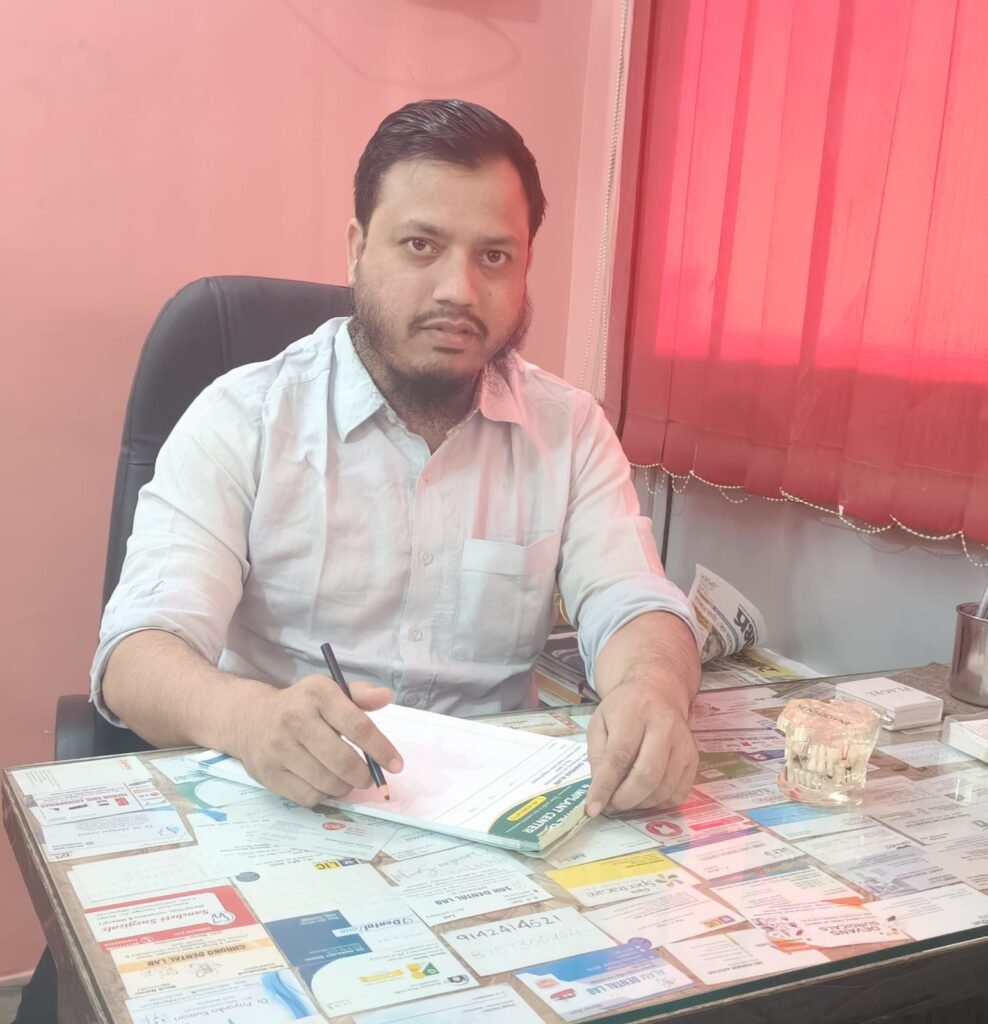
Alam Dental Care and Implant Center in Jamshedpur is led by Dr. Shahbaz Alam, who provides emergency dental services alongside regular comprehensive care. What this means in practice:
Same-Day Emergency Services
If you have a severe toothache, broken tooth, or other urgent problem, you can call and often be seen the same day. The clinic keeps appointment slots available specifically for emergencies rather than booking every minute with scheduled patients.
Extended Hours
Standard clinic hours are Saturday through Thursday from 10 AM to 8 PM. This means you can reach the clinic in the evening or early morning rather than waiting for business hours the next day. For true after-hours emergencies (like midnight on Friday), you would need a hospital emergency department or another clinic that operates 24 hours, but for most urgent problems that develop during evening or weekend hours, Alam Dental Care can see you.
Comprehensive Emergency Care
Dr. Shahbaz Alam’s specialization in periodontics and oral implantology means he can handle not just simple extractions but complex situations involving severe infections, significant bone loss, or surgical extraction. If a problem is too complicated for immediate simple treatment, he can either manage it or refer you appropriately.
Follow-Up Continuity
An advantage of getting emergency care at a clinic where you also receive regular care is that your dentist knows your history. They can plan better follow-up treatment because they understand your tooth situation, health history, and needs.
How to contact: Call +91 93865 38772 if you have a dental emergency. Describe your situation clearly. The staff will determine how urgent you are and fit you in accordingly. For facial swelling, fever, breathing difficulty, or uncontrolled bleeding, go directly to a hospital emergency department rather than waiting for a dental clinic appointment.
Frequently Asked Questions
Is an emergency dentist the same as an endodontist or oral surgeon?
No, they are different. An emergency dentist is a general dentist who provides fast treatment for acute problems. An endodontist specializes in root canals. An oral surgeon specializes in surgical procedures like extractions. Some emergency situations need a specialist, but most can be handled by any dentist trained in emergency care.
How much does emergency dental care cost?
Emergency dental care costs vary depending on what treatment you need. A simple extraction might cost less than a complex root canal. Most emergency clinics charge the normal fee for whatever procedure is done. Some clinics add a small emergency fee if you are seen outside standard hours. Ask about costs when you call.
Should I go to the hospital ER for a dental emergency?
Only if you have signs of serious infection (fever, facial swelling, difficulty breathing or swallowing), severe trauma to the face, or uncontrolled bleeding that will not stop. For a toothache, broken tooth, or lost filling, call an emergency dentist. A hospital ER can provide pain relief and antibiotics but usually cannot provide the dental treatment you need.
Can I save a knocked-out tooth?
Yes, sometimes. If the tooth is knocked completely out, find it immediately. Do not touch the root. Rinse it gently with milk or saline if it is dirty, but do not scrub it. Place it back in the socket if you can, or put it in milk and go straight to the emergency dentist. Time is critical. The faster you get treatment, the better the chance of saving the tooth. Most knocked-out teeth can be replanted successfully if treated within 30 minutes to an hour.
What should I do while waiting to see an emergency dentist?
For a toothache: rinse with warm salt water, take over-the-counter pain relief as directed, apply a cold compress to the outside of your cheek, and avoid hard or hot foods. For a broken tooth: rinse with salt water, save any pieces if you can, and avoid chewing on that side. For a knocked-out tooth: handle it minimally and get it in milk immediately. For swelling: apply ice and keep your head elevated. Do not attempt home remedies that might damage the tooth further.
Is emergency dental care covered by dental insurance?
Most dental insurance plans cover emergency treatment, though you may have a higher copay or deductible than for routine care. Some plans cover pain relief and temporary measures but require follow-up treatment to be done at a later date for full coverage. Check your plan or ask the emergency dentist about insurance when you call.
Can my regular dentist handle my emergency?
Many regular dentists can and do handle emergencies if they have availability. Call your regular dentist first if it is during business hours. They know your history and can treat you efficiently. But if they cannot see you same-day or if your emergency happens outside their hours, an emergency dentist clinic is your next call.
What is the difference between an emergency dentist and an urgent care dentist?
In practice, these terms are often used the same way. Both refer to dental care for acute problems outside standard scheduling. An emergency dentist implies they handle severe cases. Urgent care suggests slightly less severe but still immediate problems. The distinction varies by clinic. When you call, describe your situation and they will tell you if they can help.
Having a Dental Emergency in Jamshedpur Right Now?
Do not wait until Monday. Call Alam Dental Care and Implant Center today. Dr. Shahbaz Alam and the team can see you the same day for emergencies, provide fast pain relief, and plan proper follow-up treatment.
About This Article
This article is written by Dr. Shahbaz Alam, who holds an MDS in Periodontics and Oral Implantology with 14 years of clinical experience. The information provided is based on clinical practice and is aligned with emergency dental care guidelines. If you have had a dental emergency and have questions about what happened and how to prevent it in the future, you can discuss this with Dr. Alam at your follow-up appointment or contact the clinic directly.