

Tooth Extraction in Jamshedpur: Procedure & Recovery
Sometimes a damaged tooth can still be saved. But in some cases, extraction becomes the more practical and healthier option. If you are dealing with severe pain, swelling, a badly broken tooth, or a tooth that cannot be restored properly, your dentist may advise removal.
This guide explains when tooth extraction is needed, what happens during the procedure, what recovery usually feels like, and how patients in Jamshedpur can take care of the area after treatment.
When is tooth extraction needed?
Tooth extraction is usually considered when a tooth is too damaged, infected, loose, or painful to restore properly. It may also be recommended for badly broken teeth, advanced gum disease, crowded teeth, or certain wisdom tooth problems.
Most patients naturally want to save the tooth if possible, and that is often the first preference. But when keeping the tooth may continue pain or infection, removal can become the safer option.
What happens during the extraction procedure?
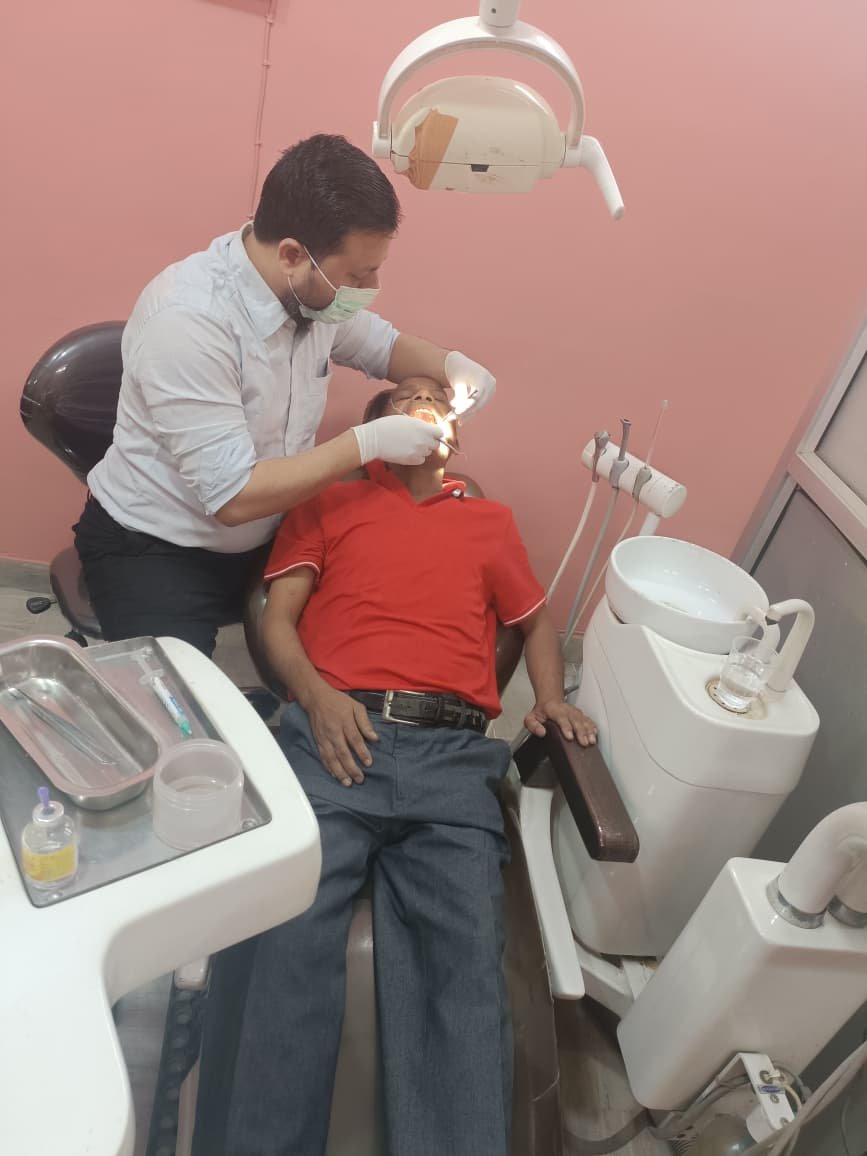
Tooth extraction usually begins with an examination and local anesthesia to numb the area. Depending on the tooth, the dentist may loosen it and remove it, or perform a more surgical removal if the tooth is difficult to access or badly damaged. After that, the area is cleaned and the socket is allowed to begin healing. [Source]
Is tooth extraction painful?
The procedure itself is usually done after numbing the area, so patients normally feel pressure rather than sharp pain. After the numbness wears off, some soreness, swelling, or tenderness can happen, especially in the first few days.
The experience also depends on whether it was a simple extraction or a more difficult one. A broken tooth or wisdom tooth case may feel different from a routine loose-tooth removal.
What is recovery like after tooth extraction?
After an extraction, some oozing, swelling, and discomfort in the beginning can be normal. Soft foods are usually advised for the first 24 hours, rest is recommended for the remainder of the day, and strenuous activity should be avoided for a while so the blood clot in the socket is not disturbed. Swelling often improves over the next two to three days. [Source]
One of the most important parts of early healing is protecting the blood clot that forms in the socket. This clot helps cover the bone and allows the area to heal more smoothly.
Simple things that help recovery go better
- Rest after the procedure instead of rushing back into a busy day
- Follow the dentist’s instructions for gauze and medicines
- Choose soft foods for the first day or two
- Avoid chewing directly on the extraction side
- Be gentle while brushing around the area
- Do not disturb the healing socket unnecessarily
What should you eat after extraction?
In the beginning, softer foods are usually easier and more comfortable. Many patients do well with foods like curd, yogurt, khichdi, mashed vegetables, soft rice, soups that are not too hot, or other easy-to-chew meals.
Hard, spicy, very hot, or crunchy foods are usually not a good idea in the early stage because they can irritate the area or get stuck near the socket.
Can every painful tooth be extracted?
Not always. Some painful teeth can still be treated and saved, depending on the cause. If the pain is coming from infection inside the tooth and the tooth structure is still restorable, treatment may be very different from extraction.
If your problem includes deep tooth pain, sensitivity, or swelling and you want to understand when a tooth can still be saved, read our Root Canal Treatment in Jamshedpur guide.
Tooth extraction in Jamshedpur – why follow-up matters
A lot of patients think the job is finished as soon as the tooth comes out. But good recovery depends on proper aftercare, timely review, and understanding what comes next — especially if the extracted tooth affects chewing, bite, or appearance.
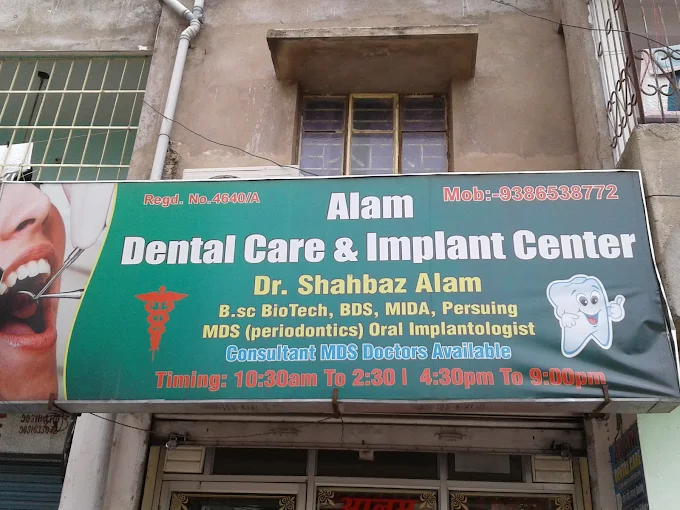
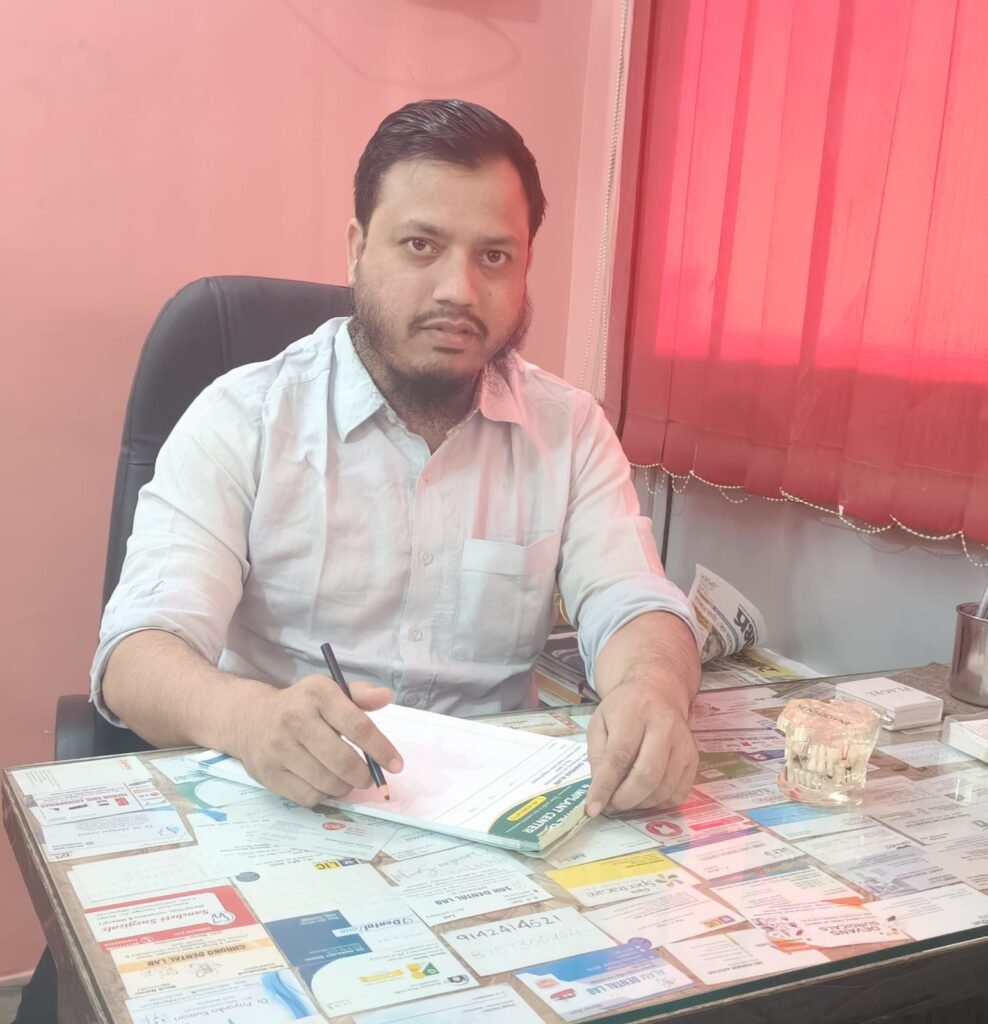
At Alam Dental Care & Implant Center, the clinic’s published approach emphasizes clear communication, comfort, and practical treatment planning. That makes a big difference for patients who are anxious about extraction and want the process explained in simple language.
Frequently Asked Questions
Here are a few common questions patients ask before tooth extraction in Jamshedpur.
How long does it take to recover after a tooth extraction?
What can I eat after tooth extraction?
Will tooth extraction be painful?
When is extraction better than saving the tooth?
What should I avoid after a tooth is removed?
Do not keep pushing through tooth pain
If a tooth is badly damaged, painful, swollen, or no longer practical to save, early dental care can make the process smoother and recovery easier. If you are facing this issue, visit Alam Dental Care & Implant Center in Jamshedpur and use the contact page to book your appointment. Phone: +91 93865 38772.
Book Your Appointment