
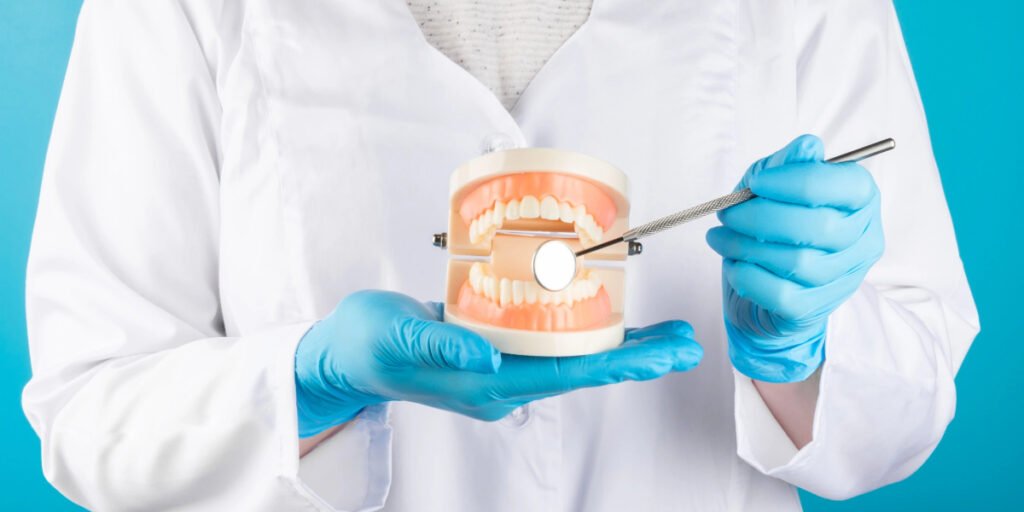
Braces vs Aligners: Which is Better?
This is one of the most common smile-correction questions today. Some patients want a treatment that feels stronger and more dependable. Others want something less visible and easier in social or work life. The truth is simple: braces are not automatically better, and aligners are not automatically better. The right choice depends on your teeth, your bite, and your daily routine.
A straightforward answer before comparing everything
If your teeth are crowded, crooked, spaced, or your bite feels off, both braces and aligners may be possible treatment options. But they are not the same. Braces are fixed and usually give more continuous control. Aligners are removable and often feel more lifestyle-friendly. The better option depends on case complexity, bite correction needs, and how consistently the patient can follow instructions.
What are braces and what are aligners?
Braces use brackets and wires to move teeth gradually with steady pressure. Aligners use a series of custom clear trays that are changed over time to shift teeth into better positions. Both can help improve smile alignment and bite, but they work differently. Cleveland Clinic explains that braces can treat crooked teeth, crowded teeth, gaps, and malocclusion, while clear aligners are a removable alternative that should be worn most of the day for proper results. [Source]
Which one is better overall?
The most honest answer is that neither option is universally better for every patient. The American Association of Orthodontists says the right appliance depends on diagnosis, treatment goals, and lifestyle needs. Braces can treat most orthodontic problems and stay on the teeth all the time. Aligners can also work very well, but they depend much more on patient discipline because they must be worn for long hours daily. [Source]
When braces may be the better option
Why braces still work so well
Braces remain fixed to the teeth, so they keep working all day. This usually gives better control in cases where movement is more complicated or bite correction needs more precision.
- Often better for more complex bite correction
- No need to remember wearing them
- Useful for broader orthodontic problems
- Continuous tooth movement because they stay fixed
What some patients dislike about braces
Braces are more visible, food restrictions are greater, and cleaning around brackets takes more effort than normal brushing.
- More noticeable while smiling or talking
- Sticky and hard foods usually need to be avoided
- Cleaning is more time-consuming
- Mild irritation may happen in the early phase
When aligners may be the better option
Why aligners are so popular
Aligners are popular because they are clear, removable, and usually feel more convenient in office, college, and social settings.
- Much less visible than braces
- Can be removed during meals
- Brushing and flossing feel easier
- Often preferred for appearance and lifestyle reasons
Where aligners need discipline
Their biggest strength is also their weakness. Because they are removable, patients can forget, delay, or misuse them.
- Need long daily wear, usually around 22 hours
- Can be lost, cracked, or forgotten
- Teeth should be clean before trays go back in
- Not every complex case is equally suitable
Side-by-side comparison
| Factor | Braces | Aligners |
|---|---|---|
| Visibility | More visible because brackets and wires stay on the teeth | Much less visible because trays are clear |
| Removability | Fixed to the teeth | Removable during meals and brushing |
| Compliance | Less dependent on patient memory | Highly dependent on consistent wear |
| Cleaning | Needs more careful brushing around brackets and wires | Easier brushing, but trays must be used on clean teeth |
| Diet | More food restrictions | Less meal restriction because trays are removed |
| Complex cases | Often preferred for stronger control | Works well in many cases, but suitability depends on diagnosis |
What may suit Indian adult patients better?
Many adult patients naturally lean toward aligners because they are discreet and easier to carry into office life, meetings, and social events. But appearance should not be the only reason to choose treatment. If a patient travels frequently, forgets routines, or may not wear trays properly, braces may be the more dependable option. On the other hand, disciplined patients with suitable cases often like aligners more.
Alam Dental Care & Implant Center includes “Braces & Implants” within its treatment scope and emphasizes clear explanation and personalized planning rather than pushing one fixed option for everyone. You can review the clinic background here: About the clinic
What matters more than the appliance itself
The appliance matters, but diagnosis matters more. According to the AAO, treatment choice should be based on proper records, evaluation, and planning — not just on what looks trendy online. Patients usually get better outcomes when they focus on what fits their bite and alignment needs instead of simply copying what someone else wore. [Source]
For general clinic information and contact details, you can also review the main website here: Alam Dental Care & Implant Center
5 common braces vs aligners FAQs
1. Are aligners better than braces?
2. Do braces work faster than aligners?
3. Are aligners easier to maintain?
4. Can braces fix more difficult bite problems?
5. How do I know which option is right for me?
The better option is the one that truly fits your smile
If you are deciding between braces and aligners, the smartest next step is to get your teeth and bite checked properly, understand the pros and limits of each option, and choose the treatment that gives the healthiest long-term result.